
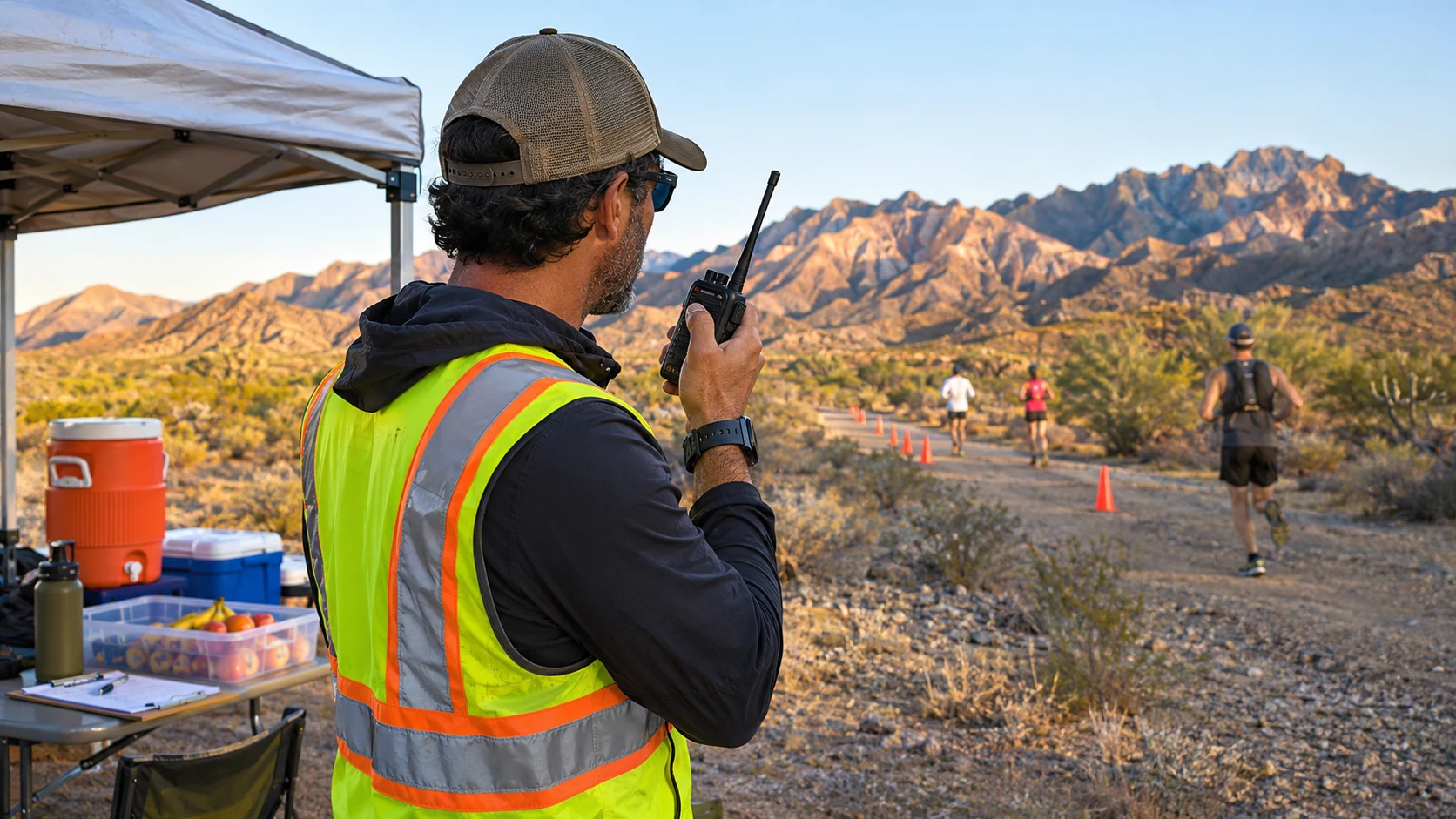
A long-distance relay creates a communication challenge as well as an athletic one. Participants, support personnel, and medical resources are spread across a course, while conditions and needs can change from one location to another. A report only becomes useful when the right people receive it and understand where assistance is needed.
The Baker to Vegas organizer’s website describes a law enforcement relay running from Baker, California, to Las Vegas, Nevada. This article examines the role of medical communications through the organizer’s resources and a clearly identified historical account. Teams should obtain the current instructions for their race directly from the organizer.
What a medical radio network contributes
A medical radio network connects people reporting concerns with the people coordinating medical resources. Its value depends on more than the radio signal. Shared location descriptions, clear reporting responsibilities, and an understood process for acknowledging messages help turn separate observations into information that can be used.
Consider a hypothetical report from a busy exchange area. The receiving person needs to understand which location is involved, who is reporting, and what has actually been observed. If the location is unclear, an otherwise urgent message can require several additional exchanges. Planning and practice help participants recognize missing details before an event.
The communication role supports the medical operation. Assessment, treatment, and decisions about a patient belong to the qualified personnel responsible for care. A volunteer handling messages should work within the assigned role and current event procedures.
What the historical records show
The organizer’s October 2018 team captains’ meeting notes, reviewing the 2018 race, describe a Medical Radio Net providing communications across the course in cooperation with AMR Las Vegas. The notes also describe emergency operators coordinating medical resources from a medical communications dispatch center.
That same historical review discusses amateur radio volunteers providing emergency communications and a safety patrol reporting observed medical problems to dispatch. It illustrates how different groups contributed information to a coordinated operation. It does not establish the staffing, locations, frequencies, or procedures for a later race.
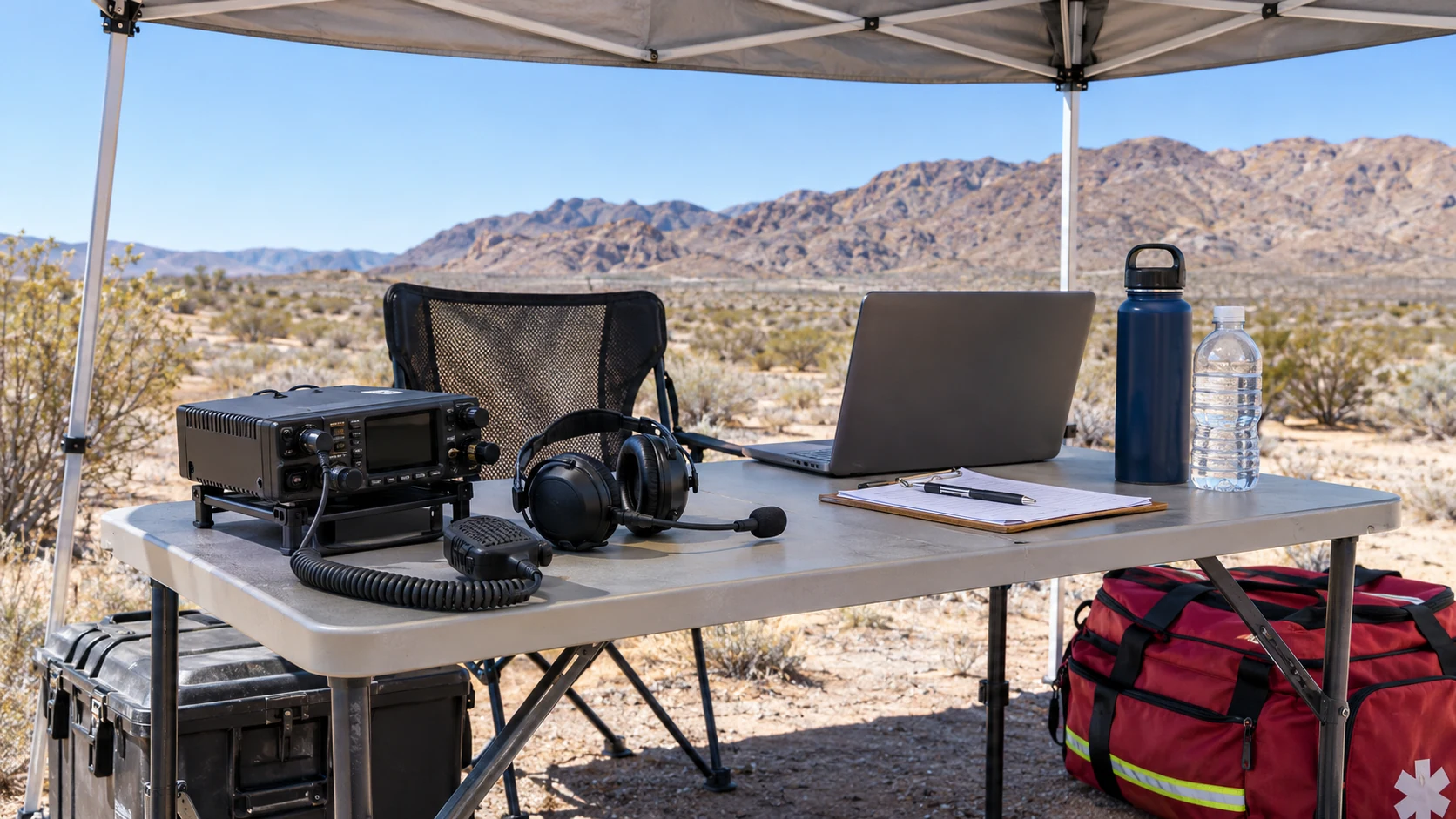
Keeping that distinction clear is important when reading an older event page. A document can explain the purpose of a system without being suitable as an operational instruction sheet. Historical examples help readers understand why organized communications matter; current organizer materials determine what a participating team needs to do.
Separate the different communication needs
Routine coordination and urgent reporting
A team may need to discuss routine logistics while event personnel also handle safety concerns. Those conversations have different audiences and priorities. Teams should learn the organizer’s communication arrangements rather than assuming one device or channel is appropriate for every purpose.
Questions a team briefing should answer
- Who is responsible for receiving and passing on an urgent report?
- Which approved communication method applies to each role?
- How should a location be described using the current course information?
- What should personnel do if the expected contact does not respond?
- Where can replacement staff find the latest instructions?
These are planning questions, not a substitute for the race briefing. The answers should come from the people responsible for the event. For background on equipment choices outside a specific race assignment, see our guide to emergency radios for Los Angeles households.
Use current organizer materials together
Start with the organizer’s Official B2V Rule Book page. Confirm which edition applies to the upcoming race and review subsequent organizer updates. If the applicable edition has not been posted, ask the organizer when it will be available rather than relying on an older version. An archived search result or saved document may remain available after an instruction has changed.
The organizer also maintains a race forms page. Use the current forms linked there when preparing team information. Read the form’s purpose and instructions, and ask the organizer about anything that conflicts with another document. Avoid resolving uncertainty by combining requirements from different years.
A team can designate someone to maintain a current set of documents and communicate revisions to support personnel. Record where each document came from and when it was downloaded. This simple administrative habit makes it easier to answer whether everyone is working from the same information.
For teams researching Baker to Vegas medical radio communications, keeping track of unresolved questions is also useful. Write down the question, the document that raised it, and the organizer contact who can clarify it. Once an answer is confirmed, pass it to everyone whose role is affected. This avoids having one experienced team member become the only person who knows about an important change or explanation.
Prepare people as carefully as equipment
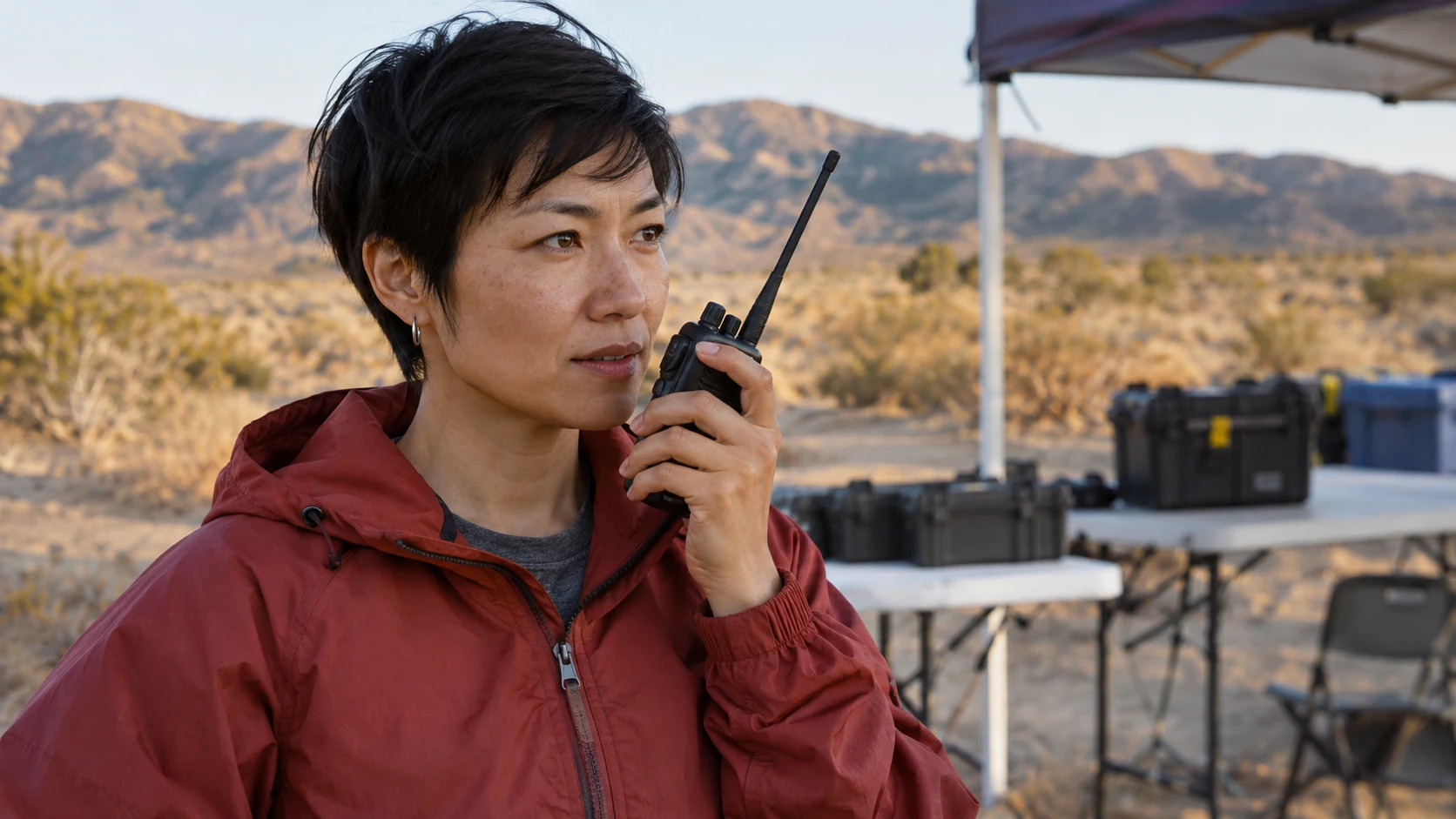
Equipment checks should follow the event’s current requirements and the relevant operating rules. People assigned to use a device need an opportunity to understand it before the race. Confirm who supplies equipment, who checks it, and how a replacement is obtained if something fails.
A briefing should also explain how information moves between shifts. An incoming volunteer needs to know which responsibilities are transferring and whether a concern remains unresolved. Equipment can be handed over quickly; the context needed to use it responsibly may require a more deliberate conversation.
Organized radio volunteering has applications beyond a single event. Our overview of LAFD’s Auxiliary Communications Service describes a separate local program focused on auxiliary communications. Participation in one program should not be assumed to qualify someone for a role in another.
Keep reports factual and proportionate
A useful report distinguishes what a person observed from what they inferred. It identifies the location and a way to reach the reporting person. The receiving team can then ask for clarification or direct the next step under the event’s procedures. Guessing a diagnosis or repeating an unverified story can obscure the information that matters.
Medical information should be handled through the event’s designated process. Staff should avoid sharing personal details more widely than their role requires. Public commentary, team logistics, and a medical report do not all belong in the same conversation. The event briefing should explain how participants are expected to manage those boundaries.
What community organizers can learn
The broader lesson is to define contacts, locations, reporting responsibilities, and alternatives before people need them. A neighborhood fair will not require the same system as a long relay, but it still benefits from a shared understanding of who receives a concern and how it reaches an appropriate decision-maker.
Our community event communications checklist translates those planning questions into a smaller-event discussion. Begin with the venue’s procedures and the needs of the people involved, then test the agreed process under ordinary conditions. Clear communication grows from preparation, role awareness, and information that everyone can reliably find.