
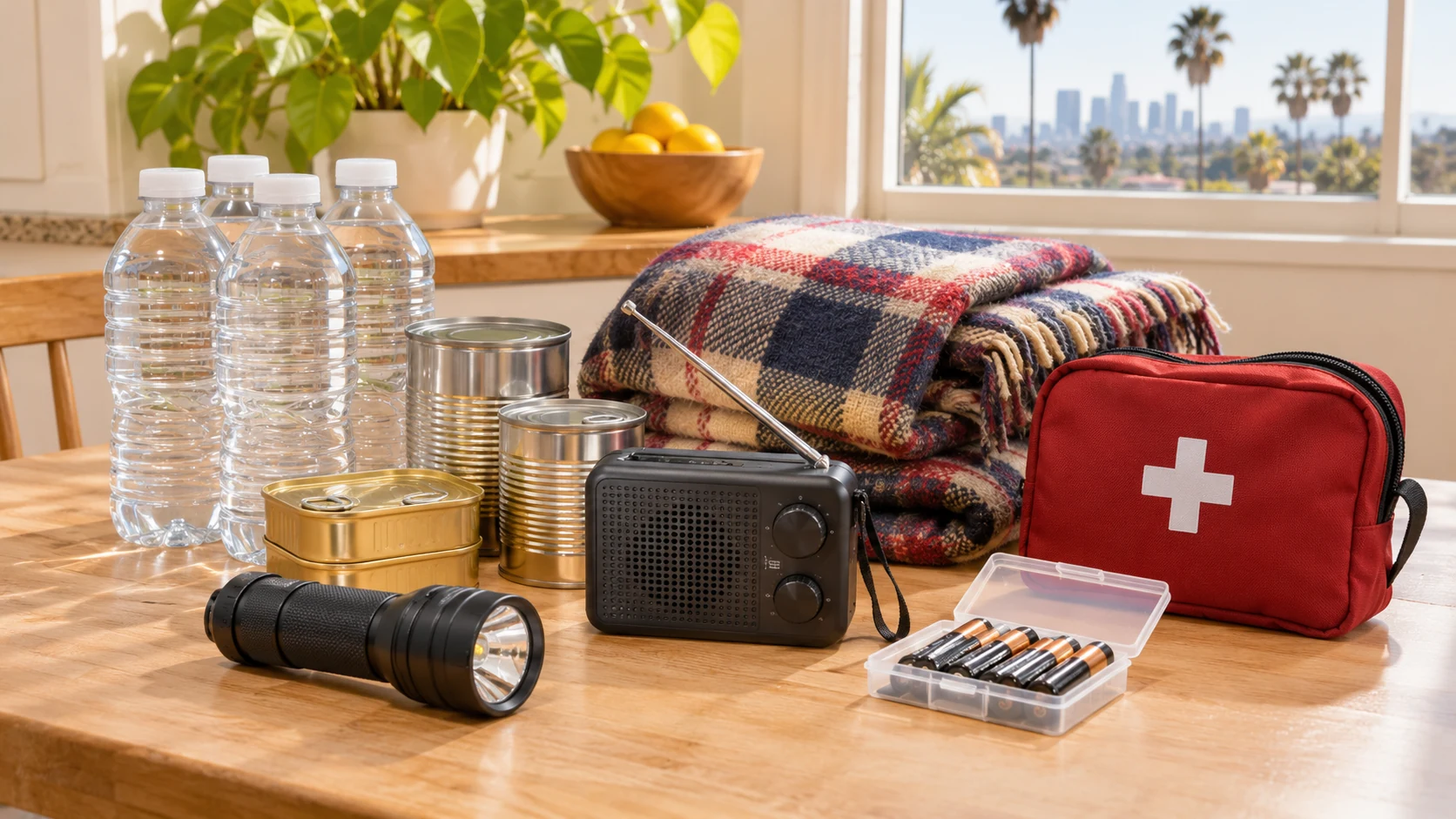
A useful Los Angeles emergency preparedness guide begins with ordinary questions: How will you receive reliable information, reach the people who depend on you, and manage essential needs if routines are disrupted? Answering those questions before an emergency gives your household a practical starting point.
You do not need to solve everything in one afternoon. Begin with alerts and contact information, then work through supplies, transportation, and community connections. This guide offers a planning framework. During an incident, follow the current instructions issued by the agencies responsible for your location.
Build Your Los Angeles Emergency Preparedness Guide Around Daily Life
Think about where everyone spends time during a normal week. Home, school, a workplace, a caregiver’s apartment, and a regular transit stop may involve different arrangements. A plan that assumes the whole family is together can leave important gaps.
Write down the locations that matter, the people who rely on assistance, and the ordinary responsibilities that would continue during a disruption. Include pets, medication access, charging needs, and transportation. Ask each person what would make the plan easier to use rather than assigning responsibilities without discussion.
The county’s family emergency planning guidance recommends identifying meeting places, an out-of-state contact, evacuation routes, and the emergency policies of schools and care facilities. Use those categories to organize your own conversation, then check the details with the relevant organizations.
Learn About Your Locations
Review official preparedness information for the communities where you live and work. Separate long-term planning resources from information about an active incident. An educational map or general checklist can help you prepare, but it does not establish whether your street is currently under an evacuation instruction.
Set Up More Than One Way to Receive Information
The City of Los Angeles operates NotifyLA, which distributes emergency information through phone messages, texts, and email. Review the official registration process and add the locations important to your household. Check your details when you move or change a number.
Los Angeles County also provides an opt-in notification program. The county’s emergency notifications page explains Alert LA County, Wireless Emergency Alerts, broadcast alerts, and weather radio. Your city may maintain additional resources, so verify the appropriate local service instead of relying on the words Los Angeles in a postal address.
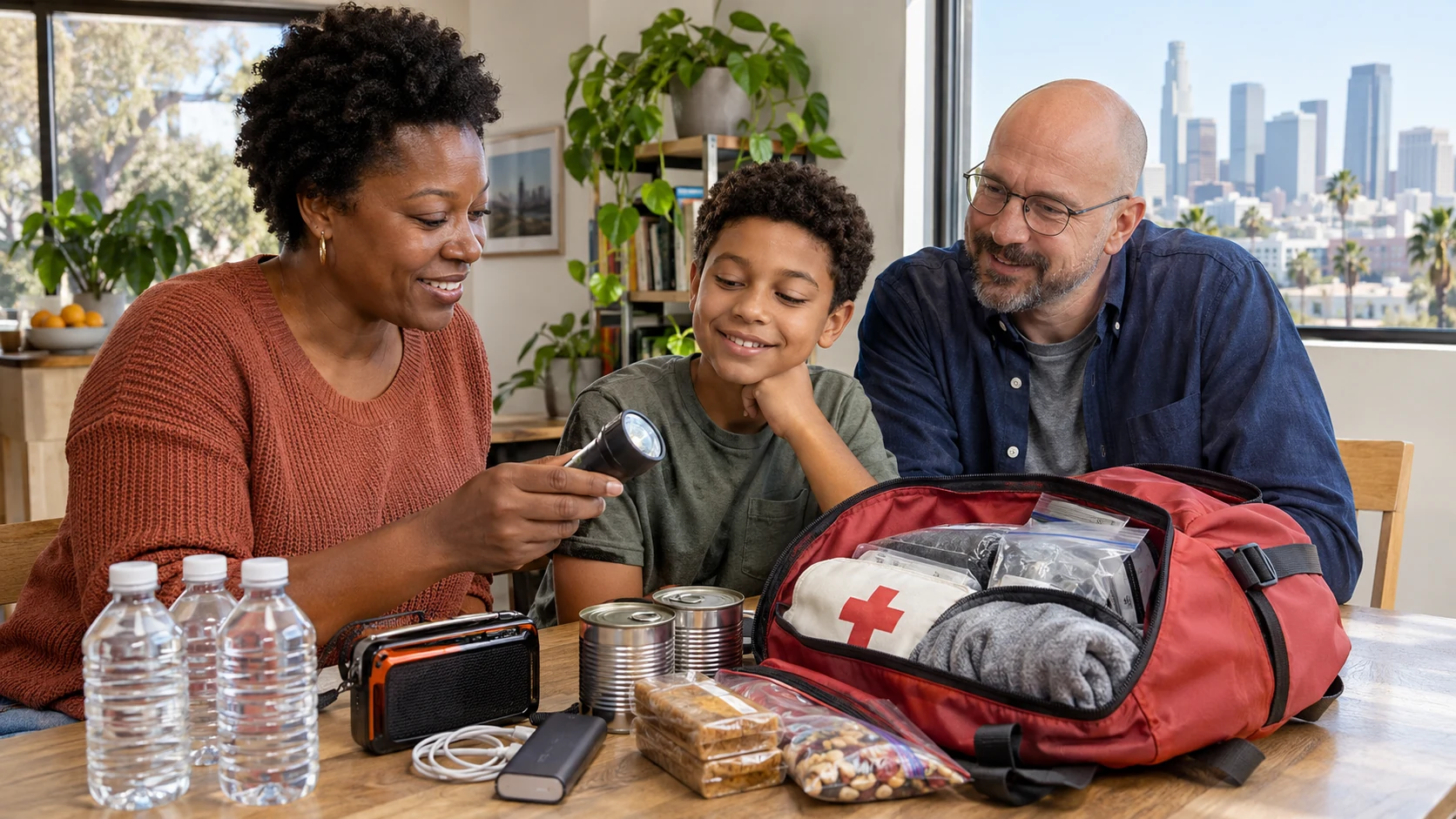
Our guide to NotifyLA and Alert LA County explains how these channels fit together. Bookmark official pages ahead of time so that you do not have to sort through unfamiliar search results while under pressure.
Make an Information Card
- Record the official alert and emergency information websites for your area.
- Note where your household stores its printed contact list and radio.
- Choose who will check updates and communicate verified information to others.
- Include a reminder to read the location, timestamp, and requested action in each message.
Create a Communication Plan People Can Actually Use
Choose one person outside the immediate area who agrees to serve as a contact. Give them the information they need and explain their role. They should know whom to expect messages from and how to share updates without distributing private details widely.
Write down phone numbers instead of assuming everyone can unlock the same device. Keep a paper copy accessible and give each household member an appropriate version. Include the contact details for schools, caregivers, and other organizations that control pickup or reunification arrangements.
Discuss a simple check-in format: your name, location, whether you are safe, and when you expect to send another update. Use plain descriptions that the recipient will understand. A household-specific family emergency communication plan can capture these choices in one place.
Match Supplies to the People Using Them
The county’s disaster supply kit guidance distinguishes supplies kept at home from smaller kits for work, vehicles, and leaving quickly. That distinction is useful: the items you can store in a closet will differ from what you can comfortably carry.
Start with an inventory of what you already own. Check water, food, lighting, sanitation items, suitable clothing, important documents, and communication equipment against official guidance. Include pet supplies and the everyday items that support independence, such as glasses or hearing-aid supplies.
Ask healthcare professionals about medication and equipment planning when needed. Do not change a prescription or depend on an improvised power arrangement for medical equipment. Record the questions that require expert advice and assign someone to follow up.
Keep Communication Equipment Together
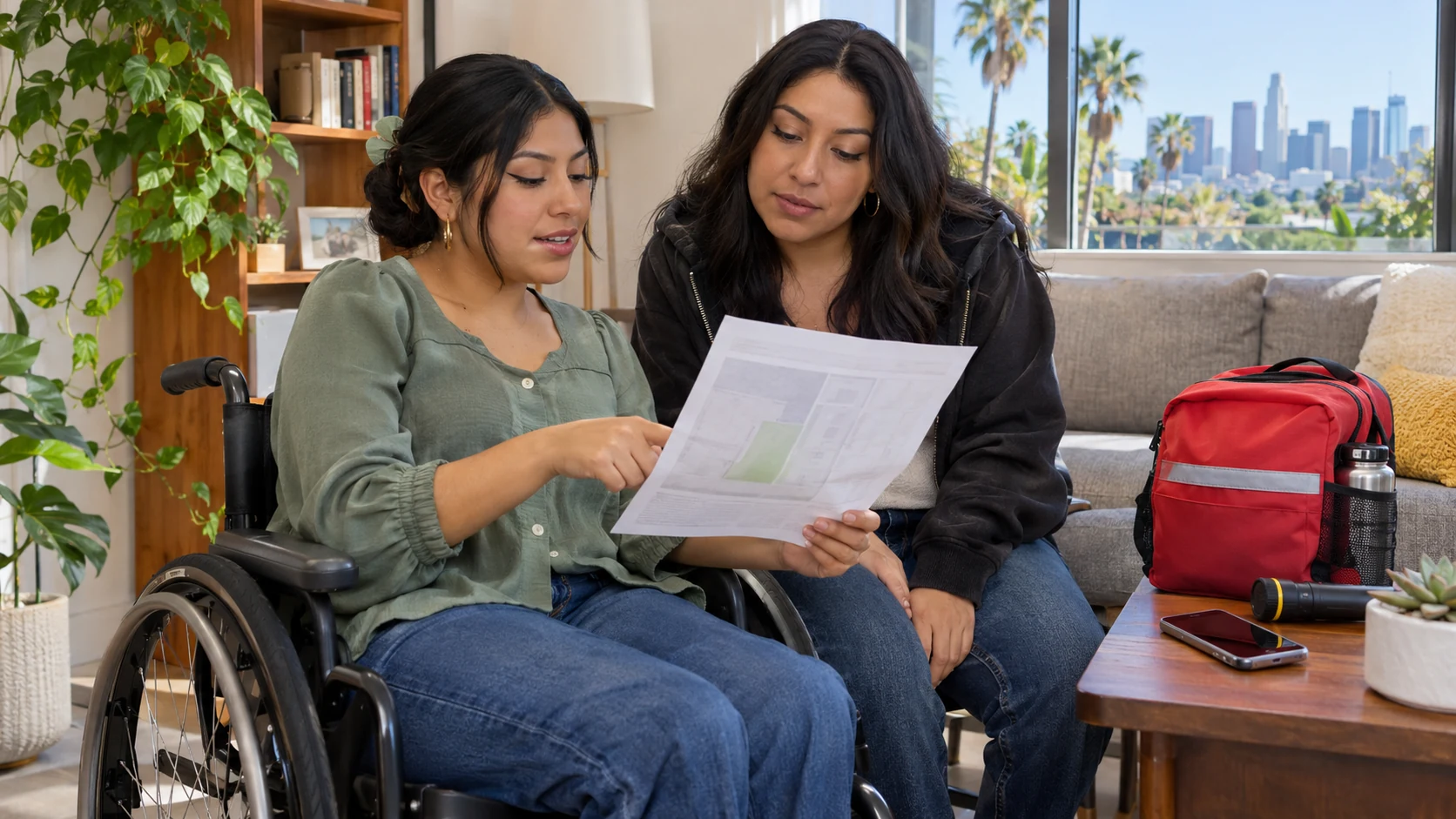
Store compatible charging cables with your backup power supply and keep the radio’s instructions nearby. Test the equipment you expect to use. A device that is familiar in daylight may be harder to operate when a room is dark or someone else needs to use it.
Plan for Access, Transportation, and Pets
Ask whether everyone can hear alerts, read messages, carry their supplies, and reach the agreed meeting place. Build the plan around the answers. Accessible formats, language preferences, mobility equipment, and an agreed support contact belong in the first version, not in a later addition.
Discuss transportation options without assuming one driver or one vehicle will always be available. Review school and care-facility procedures directly with staff. Identify what you would need to take for pets and who could help if the usual caregiver is away.
Keep meeting places flexible. An agreed location is useful only if it remains safe and accessible. Current official instructions and conditions take priority over a location written into an earlier household plan.
Connect With Community Preparedness Resources
Preparation can include learning with other people. The county’s Community Emergency Response Team information describes training in basic disaster response skills and community preparedness. Check the responsible local program for its current classes and participation requirements.
You can also begin with a modest neighbor conversation. Exchange contact information voluntarily, discuss how to check in, and avoid making commitments that require skills or equipment you do not have. Practical cooperation starts with realistic expectations.
Choose a small first project that you can finish, such as locating the official alert registration page or agreeing on a check-in contact. Assign a person and a realistic completion date. Keep a short list of questions that need answers so the next conversation begins with something concrete.
Review the Plan After Small Changes
Run a short practice discussion: one person is away, the lights are out, and a phone battery is low. Ask where the contact list is, how updates will be received, and which responsibilities need a backup person.
Record whatever was confusing and fix those points first. Revisit the plan after a move, a new school year, a change in care needs, or replacement equipment. A useful preparedness plan is one your household understands and can maintain.