

A neighborhood emergency contact plan begins with a conversation about how people want to stay connected. It can help participating households identify a contact, agree on a communication method, and understand the limits of what neighbors can provide. The most useful plan is one that people can find, understand, and keep current.
Start with a manageable group, such as one apartment floor, a short section of a street, or several nearby households. Participation should be voluntary. A small, maintained list is more practical than a large directory that includes outdated numbers or information people did not agree to share.
Agree on the plan’s purpose
Decide what the group is trying to accomplish. A useful initial goal might be sharing verified official information and checking whether participating households have received it. Another might be helping neighbors identify the local preparedness resources they need. Write the purpose in a short paragraph that everyone can review.
The city’s Ready Your LA Neighborhood program provides a framework for household and neighborhood preparedness. Its resources can help your group organize discussion around practical needs. Use the program’s materials as a starting point and ask about current local workshops if the group wants guidance.
Keep each household’s own arrangements separate. Our family emergency communication plan guide explains how household contacts and meeting decisions can support a wider neighborhood effort without requiring everyone to disclose private details.
Collect only information people choose to share
Ask each participating household to nominate a primary contact and, if appropriate, a backup. Record a preferred way to communicate and enough location information to identify the household. Explain who will hold the list, who may receive a copy, and how someone can change or remove their entry.
A neighborhood directory usually does not need detailed medical records, financial information, identification documents, or household access codes. If a person wants to discuss an assistance need, ask what practical information they would like others to know. Let them decide whether it belongs on a shared list or in a private conversation with an agreed contact.
Build a simple contact record
Suggested fields for a voluntary household entry
- Household name or another agreed identifier.
- Preferred contact person and contact method.
- A backup contact, included with that person’s permission.
- Language or communication preferences the household wants recorded.
- The date the entry was confirmed and who may receive it.
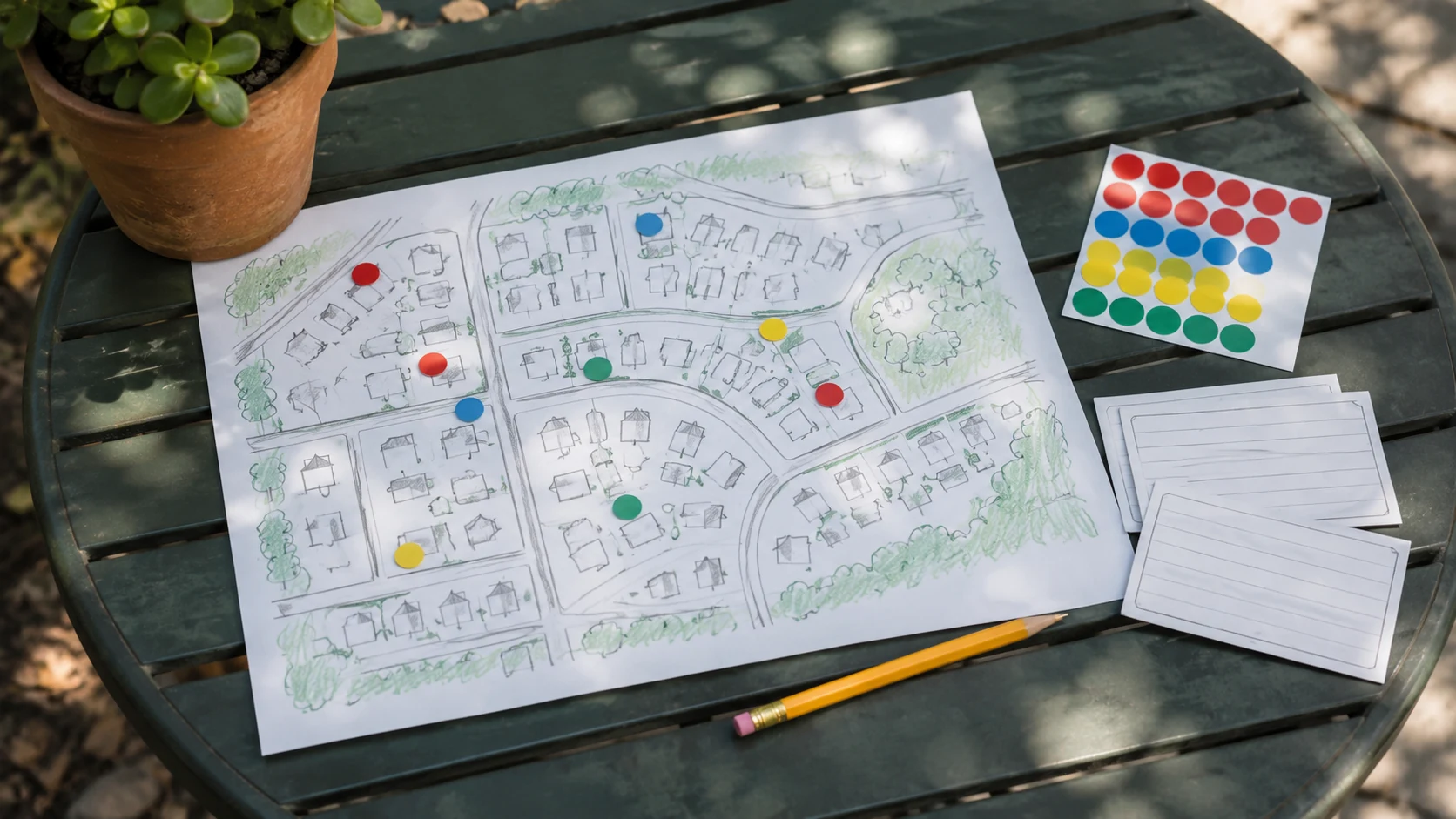
Give households a way to check their own entry before sharing the directory. This step can catch mistyped numbers and misunderstandings about consent. Avoid placing the list on an unrestricted website or public noticeboard. The group should agree on a reasonable storage and distribution method.
Choose a coordinator and a backup
The coordinator can maintain the list, circulate agreed updates, and organize occasional practice check-ins. A backup helps when the coordinator is away or unavailable. Neither role should imply constant availability, guaranteed assistance, or authority over neighbors. Write down what the volunteers have agreed to do.
Set a simple way to request changes. A household should know whom to contact after a move, a new number, or a change in participation. Keep a version date on shared copies and decide how older copies will be replaced. Ask recipients to avoid forwarding the directory beyond the agreed group.
For a building with management staff, discuss how the neighborhood effort relates to existing building procedures. Confirm which information management can provide and what remains the responsibility of individual households. A resident group should understand the established arrangements for official notices and building access.
Plan for different communication needs
A group chat may be convenient for some residents and inaccessible to others. Ask about preferred languages, large print, voice calls, text messages, or another usable format. Consider who may not routinely use a smartphone and how they would receive the same information.
The Department of Justice’s effective communication guidance emphasizes considering the person’s usual communication method and the context of an exchange. For a neighborhood planning discussion, a practical application is to ask people directly what works for them instead of making assumptions.
Record an agreed alternative if the usual channel is unavailable. The alternative might be a different contact method or an arranged way to obtain updates, depending on circumstances. Do not build the plan around entering hazardous areas or searching damaged structures. Personal safety and official instructions remain central to any decision.

Identify trusted information sources
Agree that messages about official warnings will include the original source whenever possible. The Los Angeles Emergency Management Department’s alert directory distinguishes city and county notification resources. Participating households can review the appropriate systems for the places they live, work, and regularly visit.
When forwarding information, preserve its date, location, and issuing agency. A screenshot without context can leave recipients unsure whether it applies to their area. Our comparison of NotifyLA and Alert LA County explains useful questions to ask when choosing local alert resources.
Encourage neighbors to distinguish a confirmed update from a question or personal observation. Someone reporting what they see should avoid presenting a conclusion they cannot verify. A shared channel works better when urgent practical messages remain easy to identify.
Practice during ordinary conditions
Schedule a brief check-in exercise that everyone knows is practice. Ask participating households to respond through their preferred method and note which steps were confusing. The purpose is to test the process, not to evaluate or criticize individual neighbors. A missed response may simply mean the timing or method needs adjustment.
Discuss what happened afterward. Was the contact list easy to locate? Could people understand the message? Did the coordinator know when to stop following up? Document useful changes and share the revised plan. If the group wants more structured practice, explore local preparedness training opportunities.
Consider a routine change as a test of maintenance: one household replaces a telephone number and another moves away. Can the coordinator update the record, tell the backup, and replace distributed copies without exposing information unnecessarily? Practicing this administrative step can be as useful as sending a test message. It also gives the group a clear opportunity to confirm that participation and information sharing remain voluntary.
Keep the plan small enough to maintain
Review the directory when households change and at an interval the group can realistically manage. Ask whether people still want to participate and whether their preferred method has changed. Replace old copies and remove information that is no longer needed.
A dependable neighborhood plan is built through consent, clear expectations, and modest tasks that people can sustain. It gives participants a shared starting point for communication while leaving room for changing circumstances, individual needs, and the directions issued by public authorities.